The Lock Screen Is Part of Foreplay: Sexting Discreetly as a Queer Desi
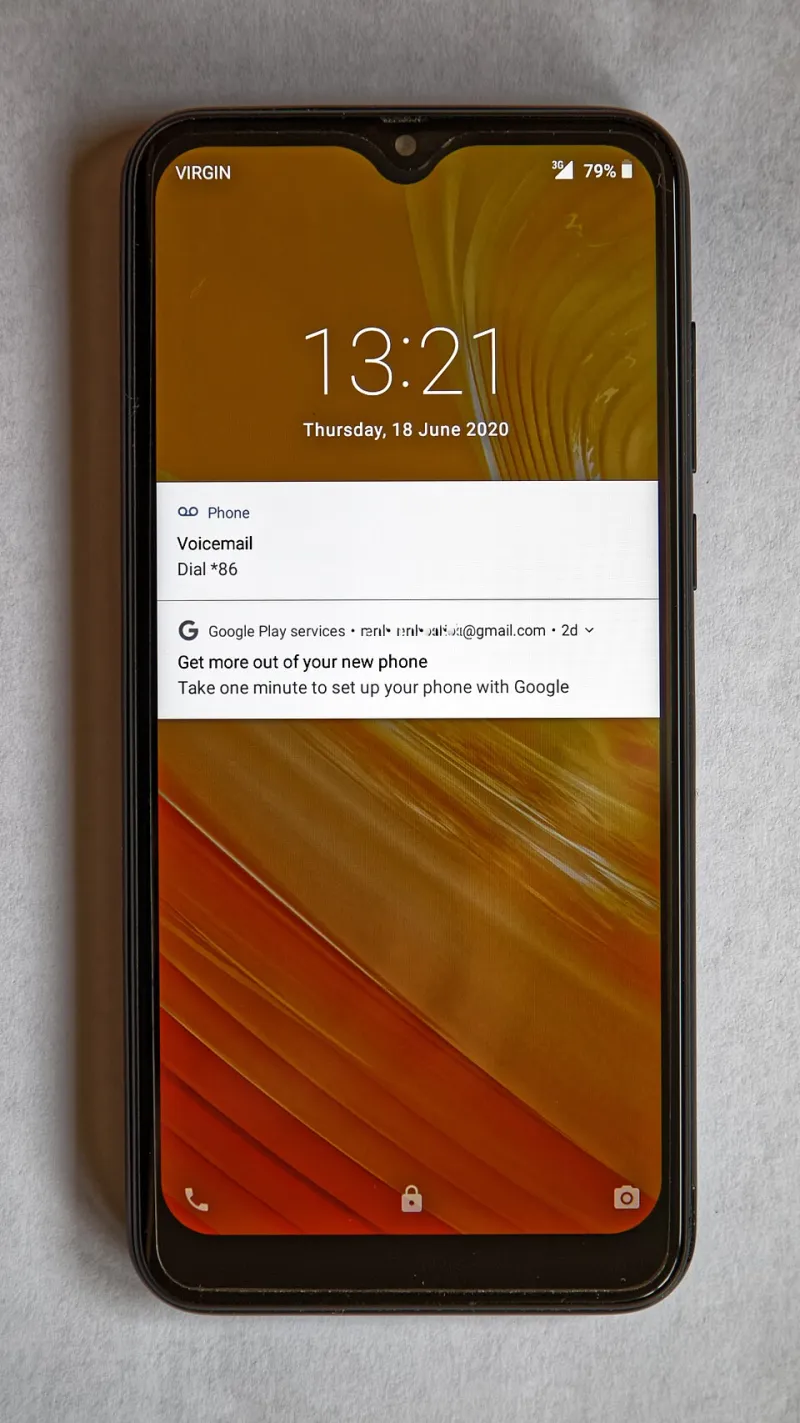
Photo: Acabashi, CC BY-SA 4.0, via Wikimedia Commons
It's 1:47 a.m. and the family group chat has finally gone quiet. You're under a duvet in a shared apartment, thumb hovering over a message that is definitely not for daylight. Desire arrives by text now — flirty, funny, occasionally explicit — and for queer Desi adults in the US, the phone is both the door and the lock. Sexting with discretion is not about being ashamed of what you want. It's about controlling the conditions under which desire travels.
Consent Is a Thread, Not a Mood
A lot of bad sexting starts with a good vibe and no agreement. Before you send anything above a PG-13 rating, ask. Not in a clinical way — in a way that sounds like you. Try: 'I have a photo that is not for public consumption. Want it, or should it stay in drafts?' Or: 'What's your comfort level tonight — flirty, explicit, or just words?' Consent over text is ongoing, specific, and revocable. Someone can be into it at 11 p.m. and over it at 11:15. That is allowed.
Also ask about context, not just content. A simple 'Are you on a device your family uses?' is not a mood killer. It is aftercare before the fact. If the answer is yes, pivot to words, voice notes with headphones, or a later time. Nobody's arousal should depend on someone else's risk of getting caught by an aunty with a passcode.
The Family-Phone Problem
Shared devices are a queer Desi reality. Maybe your mother knows your passcode 'for emergencies.' Maybe your cousin borrows your phone to order food. Maybe your iCloud is still linked to a family iPad from 2018. Discretion starts in settings, not in the heat of the moment.
Turn off message previews. Lock the app behind Face ID or a separate passcode. Use disappearing messages when the conversation is explicit. Check whether your photos sync to a shared album or family cloud account. That hidden album is not Fort Knox — treat it as a speed bump, not a vault. And if you are sending a photo, look at the background before you hit send. A childhood bedroom, a recognizable campus ID, a roommate's laundry — those are clues you do not owe anyone.
Screenshots, Leaks, and the Reputation Economy
You can ask for a no-save thread. You should. Try: 'Before we go further — no screenshots, no saving, and we can stop anytime.' But do not confuse a promise with encryption. People break promises, phones get borrowed, and group chats have long memories. Send what you could survive being seen, not what you hope stays secret forever.
If a leak happens, shame is not a safety plan. Screenshot the evidence, block the person, report the account, and tell one trusted friend. Nonconsensual intimate image laws vary by state in the US, and some offer real legal pathways. You do not have to navigate that alone at 3 a.m. Digital harm deserves a real-world response.
Scripts for Desire Without Dread
Discretion does not mean coldness. It means clarity. A few lines worth stealing:
- 'I want to flirt, but my phone is shared tonight. Keep it to words?'
- 'I'm into this. Before we go further: no screenshots, no saving, and we can pause whenever.'
- 'That was hot. I'm logging off now — no need to reply. We'll talk tomorrow.'
After the Airdrop: Digital Aftercare
Aftercare is not only for the bedroom. Ask how the other person feels after an explicit exchange. Confirm the cleanup plan: 'Do you want me to delete this thread, or are you keeping it?' Some people want the messages gone; some want the memory. Both are valid. What matters is that nobody is left holding a hot phone and a cold feeling.
If you feel a shame spiral afterward, that is not a moral failure. It is the residue of being taught that queer desire is dangerous. Text a friend who gets it. Drink water. Close the app. The night can be yours without becoming evidence.
Sexting is a skill, not a character flaw. Do it with intention, log off with grace, and remember that the lock screen is part of the foreplay now.